Steampunk Animals: A Bold Embroidery Designer's Review
As a designer who regularly transforms digital files into stitched, tangible products, I approach every new design collection with a practical eye. My first question is always: how will this actually look when the thread meets the fabric? When I first opened the Steampunk Animals Coloring Book Pages, that question was answered with a distinct sense of creative possibility. This isn't just a collection of graphics; it’s a theme with a strong visual personality, ready to be translated into embroidered goods.
The Immediate Mood and Design Personality
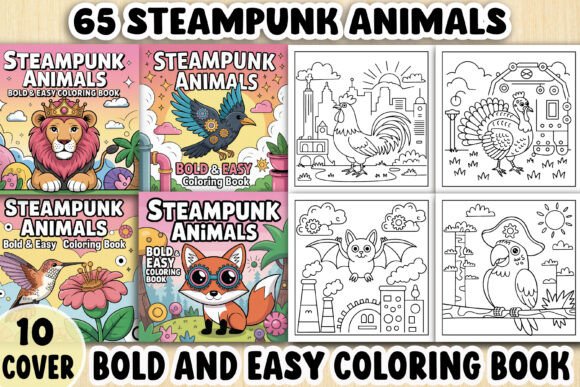
The steampunk theme, blending organic animal forms with mechanical details, creates a fascinating aesthetic. It feels whimsical yet sophisticated, nostalgic yet innovative. For embroidery, this translates into designs that carry a story. The bold, easy lines mentioned in the description are a key feature—they suggest clean outlines and distinct shapes, which is exactly what you want for a clear, readable stitch result. This avoids the muddled look that can happen when overly intricate details are condensed into a small hoop area. The mood here is one of crafted artistry, perfect for products aiming for a unique, conversation-starting appeal.
Natural Fit for Real Embroidery Projects
Let’s walk through a real scenario. Imagine you’re preparing a custom embroidered tote bag for a client who loves unique, thematic gifts. You select one of the steampunk animal designs—perhaps a bird with gear-wing details. The bold lines mean the silhouette will hold up beautifully on the bag’s often-textured fabric. The thematic elements add value; it’s not just a generic animal, it’s a statement. This kind of design elevates a simple tote into a specialty item, likely increasing its perceived value for your customer and its salability in your shop.
This collection naturally belongs to projects where the design is the focal point. Think of:
- Statement apparel: Sweatshirts, t-shirts, and hoodies where the steampunk animal becomes the centerpiece.
- Home decor accents: Pillow covers, tea towels, or small framed hoop art for nursery or office decor.
- Specialty gifts: Embroidered patches on jackets, custom caps, or personalized aprons for a hobbyist.
- Small business merchandise: Unique designs for Etsy listings or craft fair products that stand out in a crowded market.
The "bold and easy" nature suggests these designs could also work well for baby embroidery on items like blankets or bibs, provided the theme fits the intended style—more whimsical than strictly industrial.
Performance on Fabric: A Practical Perspective
In real-life embroidery, clarity is currency. A design that stitches cleanly builds customer trust and reinforces your brand’s quality. The steampunk animals, with their likely clear separation between animal form and mechanical detail, should allow for good stitch clarity. Areas meant to be filled can be handled with fill stitches, while the bold outlines are perfect for satin stitches or running stitch paths, creating a pleasing contrast.
For visual appeal on finished products, these designs add a layer of storytelling. A customer isn't just buying an embroidered pillow; they're buying a "steampunk owl pillow." That specificity enhances giftability and recognition. For commercial embroidery projects or digital product sellers creating printable mockups, these graphics serve as strong, thematic design assets.
Where Careful Application is Needed
No design is universally perfect, and a thoughtful application is key. With thematic details, consider these contexts carefully:
- Very small hoop sizes: If the design is scaled down significantly for a cap or a tiny patch, some of the charming mechanical details might become too dense, risking a cluttered stitch look.
- Textured or stretchy fabrics: Fabrics like certain knits or terrycloth can distort finer lines. The bold nature of these designs helps, but using proper stabilizer is non-negotiable here.
- Dark fabric backgrounds: The interplay of light and dark in steampunk art is important. Testing thread color contrast on dark fabric first is essential to maintain that distinctive look.
- Products needing frequent washing: On items like kitchen towels or baby clothes, ensure the stitch density is appropriate to withstand wear without puckering the fabric.
The key is to match the design's character to the product's function. A detailed steampunk elephant might be glorious on a decorative pillow cover but overly complex for a small, curved cap surface.
Affecting Value, Trust, and Engagement
Using a coherent theme like this in your work affects more than just the stitch. It contributes to brand consistency if you develop a line of steampunk-themed products. It boosts professionalism by showing deliberate, curated design selection. For the end buyer, it creates a deeper engagement—they connect with the theme, not just the craft. This can turn a one-time customer into a theme-collecting enthusiast.
Essential Designer Notes Before You Stitch
Before committing this design to a client project or your own merchandise, follow these practical steps:
- Test on scrap fabric first. Use the same material you intend for the final product. See how the lines translate.
- Check thread color contrast. Steampunk often uses metallic, bronze, or copper hues. Test these against both light and dark fabric texture backgrounds.
- Review the design in black and white mockups. This helps assess the form and balance without color distraction.
- Confirm your hoop size. Ensure the design scale works for your intended project area.
- Inspect small details. Zoom in on any tiny gears or connectors to ensure they are distinct enough for clean stitching.
- Use proper stabilizer. This is crucial for maintaining the design's integrity on any garment or item.
- Confirm licensing. Before selling finished items or digital products derived from these graphics, verify the included license terms for commercial use.
Remember, details like exact stitch count, specific file formats, or machine compatibility are vital. As they weren't explicitly detailed in the provided description, it’s imperative to check those specifications directly with the product source before beginning your embroidery project.
The Final Stitch: A Collection for Creative Confidence
The Steampunk Animals Coloring Book Pages offer a rich thematic playground for embroidery designers and makers. Their bold, easy foundation promises good stitch outcomes, while their unique fusion of nature and industry opens doors to distinctive products. Whether you’re creating a one-off personalized gift or building a line of small shop products, these designs can provide the creative assets you need. Approach them with practical testing and a clear vision for the final product, and they’ll likely become a valuable part of your embroidery design toolkit, helping you create finished work that feels both handmade and ingeniously crafted.