Mandala Designs: An Embroidery Artist's Review
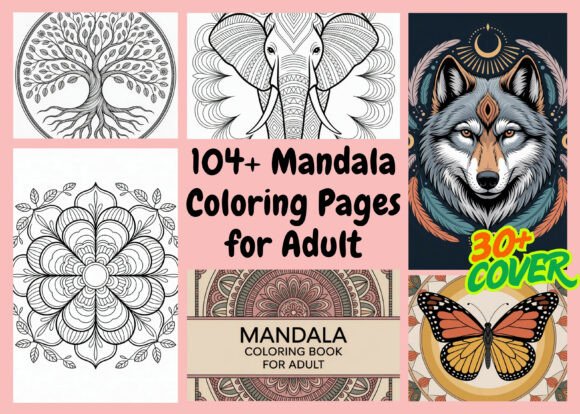
When you hear “104 Mandala Coloring Pages,” you might think of digital art, but as an embroidery designer, I immediately see a treasure trove of stitchable patterns. Let’s talk about what this collection of 104 Mandala Coloring Pages for Adult looks like from the perspective of someone who needs to translate a graphic into a real, tactile product.
The First Impression: More Than Just Coloring Pages
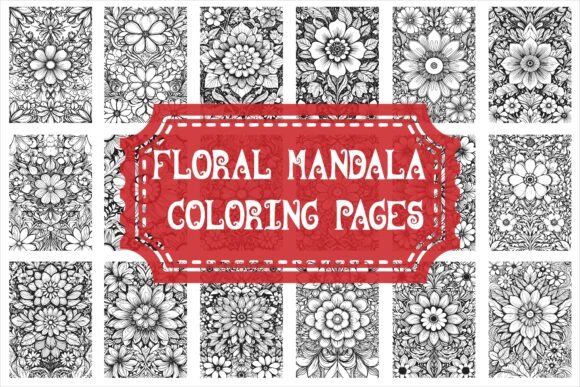
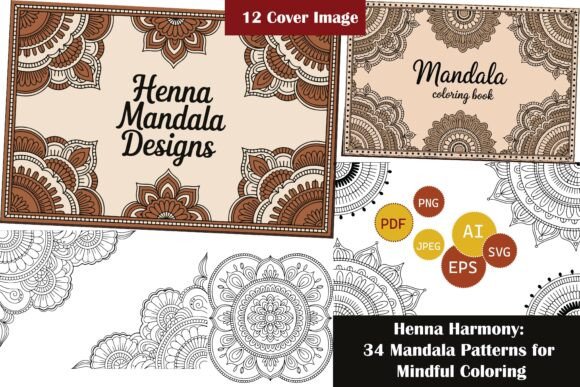
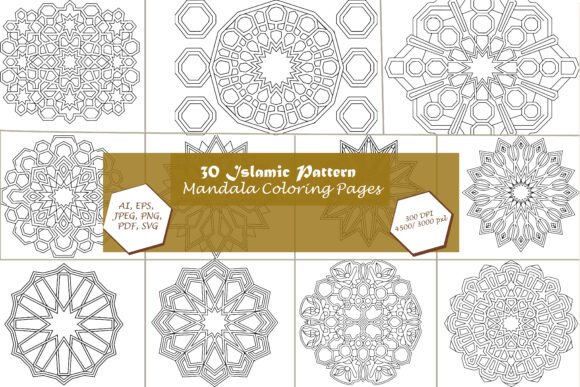
Opening this pack, the mood is immediately clear: it’s a library of balanced, intricate, and often symmetrical artwork. Mandalas carry a sense of calm, focus, and artistry, which translates beautifully into embroidery. The visual personality here is detailed and decorative, with layouts that naturally pull the eye inward. This isn’t a casual doodle pack; these are designs that demand a certain level of craftsmanship and project commitment.
From an embroidery standpoint, the shapes are promising. They typically have strong central focal points and radiating sections, which are perfect for guiding stitch placement. The detail level, however, is the first thing to scrutinize. These are designed as coloring pages, meaning lines can be quite fine and spaces can be small. This is where the real-life application questions begin.
Where These Mandalas Belong in Your Project Queue
These mandala designs feel destined for projects where the embroidery itself is the star. Think of a custom embroidered tote bag for a yoga instructor, a meditation-themed pillow cover, or a beautifully detailed apron as a mindful gift. I recently used a similar mandala from this collection on a linen tea towel, envisioning it as a boutique kitchen product. The result was stunning—the symmetrical pattern created a sense of handmade luxury that customers immediately appreciate.
For baby clothes or nursery decor, a simplified, smaller-scale version would work, but you’d likely need to edit the source graphic to reduce complexity. On apparel like sweatshirts or t-shirts, a larger, bold mandala becomes a statement piece, elevating a simple garment into something special. The designs inherently boost the perceived value of a finished product, making them excellent for Etsy listings or craft fair merchandise where visual appeal directly drives sales.
A Practical Scenario: Creating a Boutique Tote Bag
Let’s walk through a real case. I’m preparing a custom embroidered tote bag for a small shop client. I select a moderately complex mandala from the 104 Mandala Coloring Pages for Adult pack. My first step is always a test on scrap fabric of the same type. I’m looking at how the fine lines will translate to satin stitch or fill stitch. I need to ensure the stitch density isn’t so high that it distorts the bag’s canvas fabric. I check thread color contrast against the background—a light mandala on a dark bag requires careful color planning. Using proper stabilizer is non-negotiable here.
The outcome? When stitched, the mandala’s intricate layers came through with beautiful clarity, creating a product that felt professional and thoughtfully made. It enhanced customer trust in the brand’s quality. This is the power of using well-structured graphics as embroidery file foundations.
The Caution Zones: Where to Use Careful Judgment
Not every design in a 104-piece collection is suited for every surface. Here’s where an experienced eye matters.
Small Hoop Sizes & Tiny Details: Some mandalas have incredibly detailed corners and tiny internal spaces. Attempting these on a small hoop, or on a curved surface like a cap, can lead to lost definition and a messy finish. You must inspect the small details in the graphic and realistically assess if your machine and hoop can handle them.
Fabric Texture & Type: Stretchy fabric or thin, delicate material can be problematic with dense stitch areas. The weight of the embroidery might pucker or distort the base. Textured fabrics like certain knits can obscure the clarity of the mandala’s clean lines. Dark fabrics require bright, high-contrast thread colors to make the design pop, which isn’t always the intended look of a classic mandala.
Products for Frequent Use: For items like kitchen towels or aprons that need frequent washing, a very dense, large mandala might not wear as well over time compared to a simpler, more open design. Consider the end use.
Affecting Your Business: Beyond the Stitch
Using a cohesive set of designs like this affects more than just the single project. For a creative entrepreneur, it can build brand consistency. If you launch a series of products featuring these mandala styles—from patches to pillow covers—you create a recognizable visual theme for your shop. This boosts professionalism and buyer engagement.
The giftability of items made with these designs is high. They feel personal and artistic. For commercial embroidery projects, such as a line of boutique baby blankets, they add a layer of decorative sophistication that standard logos often lack. As digital product sellers, these graphics can also serve as excellent bases for printable mockups to showcase your finished embroidered products online.
Essential Designer Notes Before You Stitch
Before you load an embroidery file and start a project, here’s my practical checklist:
- Always test on scrap fabric first. This is the golden rule. It reveals how the design truly stitches out.
- Review the graphic for stitch density. Coloring pages can imply solid fills; you must decide if you’ll use fill stitch for large areas or break it up.
- Check thread color contrast. View the design in black and white mockups to see if the contrast holds on both light and dark backgrounds.
- Confirm your hoop size can accommodate the design without needing excessive scaling, which can distort details.
- Use the proper stabilizer for your fabric choice to ensure clean results.
- Most critically: confirm the licensing. The product description mentions Amazon KDP and other platforms. For embroidery, you must verify if the license permits use for creating and selling finished physical products (like tote bags or apparel) or if it’s limited to digital products only. Never assume.
A Final, Realistic Assessment
The 104 Mandala Coloring Pages for Adult collection, from the Graphics and Coloring Pages Amp category, is a robust resource. For an embroidery designer, it’s a springboard for beautiful, centered, and decorative work. It performs wonderfully on stable, medium-to-large projects where the detail can shine. It requires careful adaptation for small, curved, or stretchy surfaces.
It elevates visual appeal and handmade presentation when used thoughtfully. Approach it not as a simple set of coloring pages, but as a library of potential embroidery design assets. Your job is to be the translator, taking the graphic and applying real-world embroidery knowledge to turn it into a stunning, tactile finished product that your clients, customers, or gift recipients will truly cherish.