Assessing the Fun & Bold Christmas Coloring Pages for Embroidery
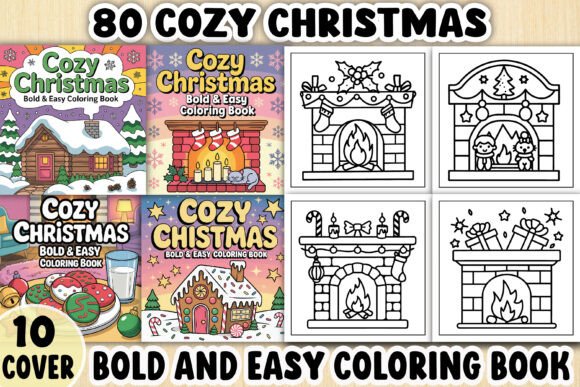
Let’s be honest—when you’re looking for embroidery files to use in real projects, especially for holidays, you need designs that translate from screen to stitch with clarity and charm. I recently dug into the Funny Christmus Coloring Book Pages collection, not as a casual browser but as someone who needs to know if these graphics will hold up on a sweatshirt, a tote bag, or a custom gift. Here’s my practical take.
First Impressions: Bold Lines & Playful Mood
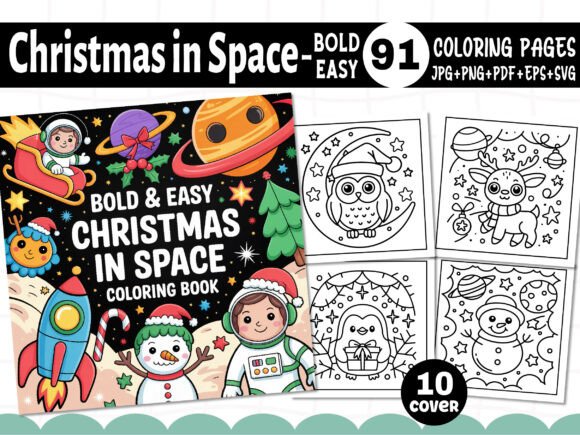
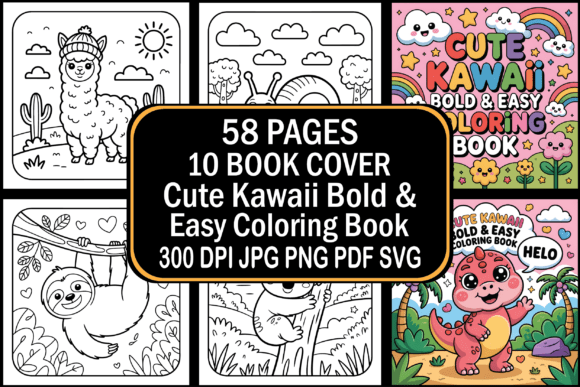
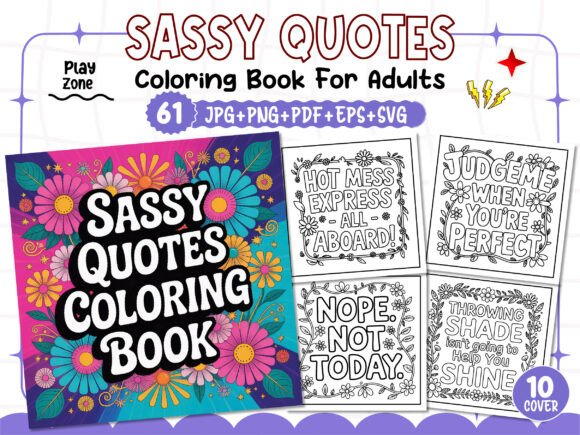
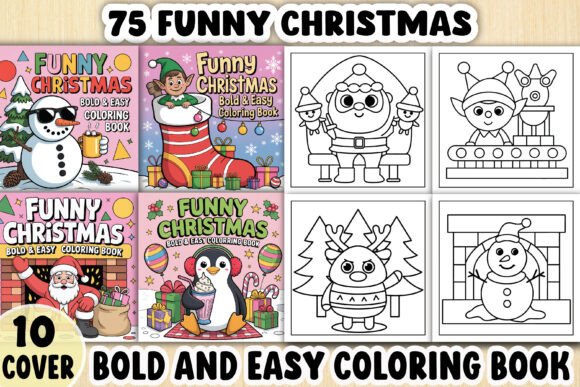
Opening the files, the immediate vibe is cheerful and straightforward. The “bold and easy” description is accurate—these are graphics with thick, clear outlines and simplified details. For an embroidery designer, that’s a promising starting point. Thick lines often mean cleaner satin stitch borders and less fussy fill stitch areas, which is a relief when you’re planning a batch of holiday merchandise.
The playful, funny theme creates a specific mood: lighthearted and family-friendly. This isn’t formal holiday art; it’s the kind of design that makes you smile. For embroidery projects, that personality is key. It tells me this design wouldn’t feel right on a corporate branded item, but it would be perfect for a personalized baby’s first Christmas blanket, a fun kitchen towel for a gift, or a whimsical patch on a child’s backpack.
Where This Embroidery Design Naturally Belongs
Thinking through my typical project queue, I see a few natural fits. The bold outlines and simplified shapes mean it can handle being scaled for different hoop sizes without losing its character. I’d confidently use it on a medium-sized tote bag or a standard left-chest sweatshirt placement. The humor in the designs—likely featuring playful holiday characters—makes it a strong candidate for apparel decorators focusing on holiday markets, craft fair products, or Etsy sellers offering personalized family gifts.
One real-life scenario I imagined: using one of these pages for a custom embroidered apron as a holiday gift. The bold lines would stitch up clearly on the canvas fabric, and the funny theme would make the apron feel unique and personal, not generic. For small business owners, that’s the kind of product that adds value—it feels handmade and thoughtful, which builds customer trust and engagement.
Careful Considerations: Fabric & Scale
While the boldness is an advantage, it also requires some thought. On very textured fabrics like some blankets, or on stretchy fabrics like certain knit caps, those thick satin stitch borders need proper stabilizer to stay smooth. I wouldn’t automatically try this on a very small hoop size for a tiny detail on a baby sock, for instance—the “bold” aspect might become too dense. Always test on scrap fabric first.
Dark fabric backgrounds are another consideration. The design’s appeal relies on its clear, graphic look. If you’re stitching it on a dark sweatshirt, you need to plan your thread color contrast carefully. A white or bright fill stitch area might pop beautifully, but you should run a black and white mockup in your software to check the contrast levels before committing thread.
Performance in Real Embroidery Projects
How does it perform? For a project like an embroidered pillow cover or a tea towel, where the fabric is stable and the area is decently sized, this design should stitch out with clarity. The reduced detail level means fewer tiny corners to troubleshoot, which is a practical win for efficiency. For handmade shop owners producing multiple items, that efficiency translates to better consistency and professionalism in your finished products.
As a digital embroidery file, its usefulness extends beyond the hoop. The clean graphics also work well for creating printable mockups for your online listings or for digital product previews if you’re a digital product seller. This helps with buyer engagement—they can visualize the final product easily.
Affecting Value & Professionalism
Using a design like this affects the perceived value of your work. A well-stitched, fun, and clear holiday design on a tote bag or baby item feels giftable and current. It shows you’ve chosen a design with a specific mood, which helps with brand consistency if your shop leans toward playful, family-oriented goods. For creative entrepreneurs, that alignment is crucial.
However, it’s important to note: always confirm the licensing terms before using any design for commercial embroidery projects or selling finished items. The product category here is Graphics, which typically implies digital files, but the specifics for commercial use, resale, or personal use need to be verified directly with the provider. This is a fundamental step for any craft business.
Practical Designer Notes Before You Stitch
Here’s my quick checklist before loading this into the machine for a real client project or small shop merchandise:
- Test on scrap first. Use a fabric similar to your final product—check stitch density on those bold areas.
- Review thread colors. The playful mood might call for brights or traditional holiday palettes. Plan for contrast.
- Confirm your hoop size. Ensure the design’s scale fits your intended placement without overcrowding.
- Inspect small details. Even bold designs can have tiny elements like small lettering. Zoom in and see if they’ll stitch cleanly.
- Consider the product’s life. If it’s a kitchen towel or child’s item that needs frequent washing, ensure your stitch choices are durable.
- Use proper stabilizer. Especially for curved surfaces like caps or textured fabrics.
Embroidery is about translating a digital idea into a tangible, beautiful object. The Funny Christmus Coloring Book Pages collection offers a foundation of bold, cheerful graphics that, with thoughtful application, can become standout elements on your holiday apparel, gifts, and boutique products. It’s not just a file; it’s a potential smile stitched into fabric. Approach it with a practical eye, and it could be a valuable asset in your holiday project lineup.